


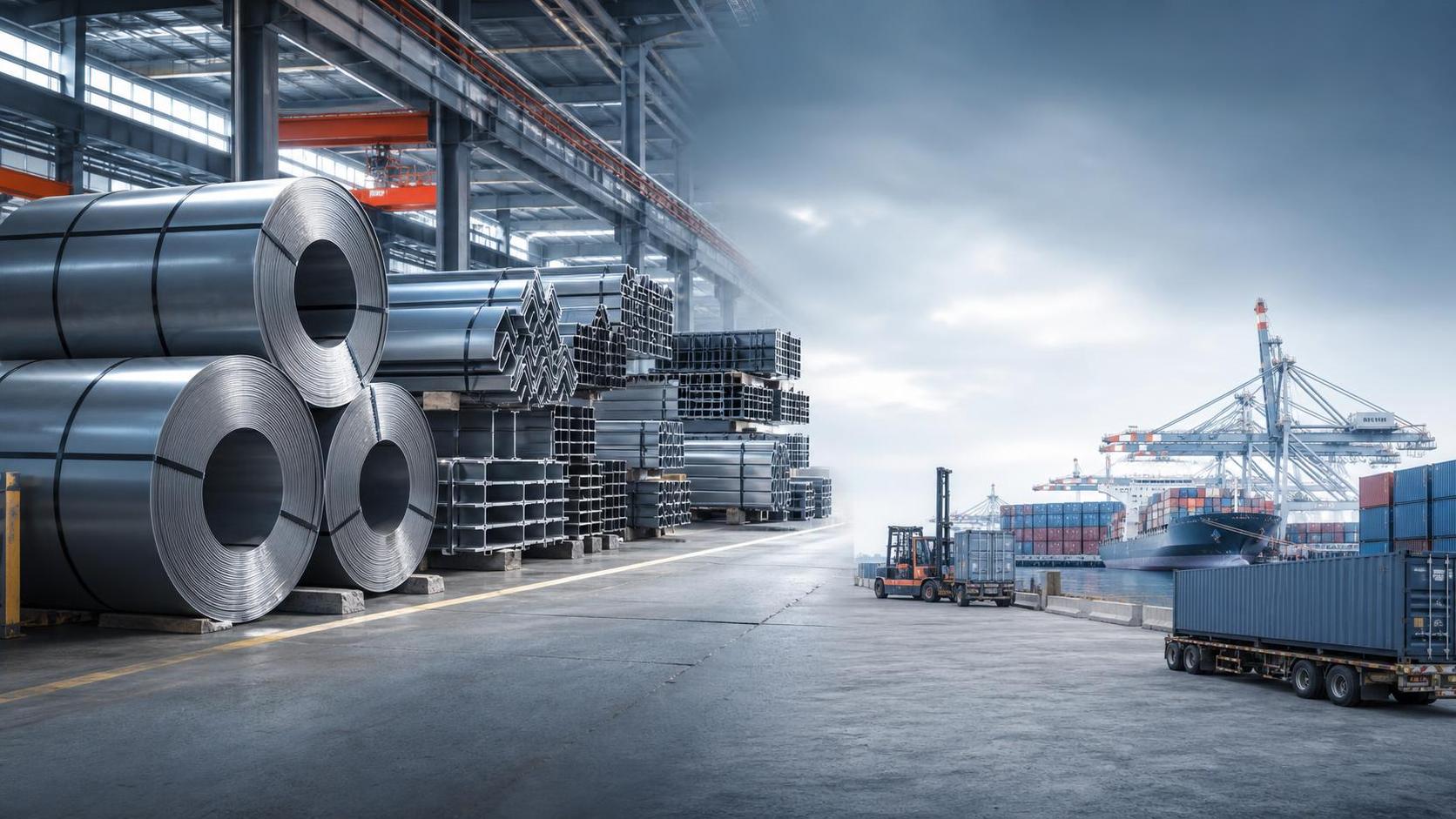
On July 25, 2026, the European Commission closed the first mandatory reporting window in the CBAM transition period for steel products. For Chinese manufacturers and exporters shipping products such as hot-rolled coil, H-beams, and cold-formed sections to the EU, this is no longer a procedural milestone but a direct compliance checkpoint tied to customs clearance, purchasing access, and the responsibilities of importers and overseas distributors.
The reporting window that has now closed
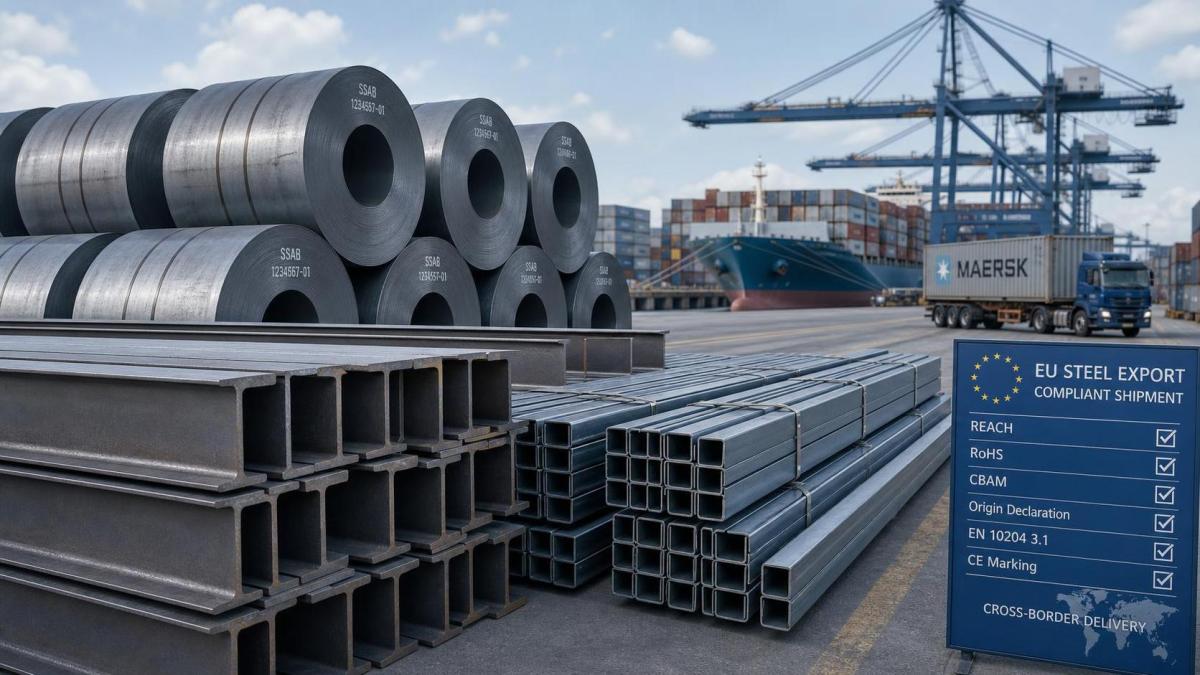
According to the provided event information, the European Commission formally closed the first-round data submission window for CBAM transitional reporting on steel products on July 25, 2026. From that date, Chinese manufacturers and exporters supplying steel and section products including hot-rolled coil, H-beams, and cold-formed profiles to the EU are required to have completed carbon emissions intensity reporting for the production period from October 2025 to June 2026.
The same information states that companies that have not completed this reporting will be marked as non-compliant suppliers. That status may affect subsequent customs clearance and access to procurement. The requirement is also directly linked to overseas distributor eligibility and importer compliance obligations.
Where the pressure is likely to appear first
Export-facing steel suppliers
From an industry perspective, the most immediate impact falls on Chinese manufacturers and exporters that directly serve EU-bound orders. The reason is straightforward: the reporting requirement is tied to supplier compliance status. The main business impact is likely to appear in export documentation readiness, customer qualification reviews, and shipment continuity for covered steel categories.
What deserves closer attention is whether existing EU-facing product lines are supported by complete emissions intensity reporting for the stated production cycle, because the issue is not limited to internal recordkeeping but may affect whether a supplier remains usable in cross-border transactions.
EU importers and overseas distributors
Observably, the event also matters for importers and overseas distributors because the provided information explicitly links the requirement to importer compliance responsibility and distributor access. The likely impact is concentrated in supplier screening, procurement approval, and ongoing transaction eligibility. These parties may need to distinguish between suppliers that have completed reporting and those that may now carry a non-compliant label.
For channel operators, the practical concern is not only supply continuity but also whether supplier status could complicate ordering and customs processes after the deadline has passed.
Supply chain and order coordination roles
Service providers and coordination functions across the supply chain may also be affected where they manage documents, delivery schedules, or buyer-seller communication. Analysis shows that once compliance status is connected to customs clearance and procurement access, operational teams handling shipment release, contract execution, and account communication are likely to face more scrutiny around reporting completeness and supplier qualification.
What companies should review now
Check the reporting status of covered production periods
The most immediate task is to verify whether emissions intensity reporting for the October 2025 to June 2026 production cycle has actually been completed for relevant steel exports to the EU. This is a concrete checkpoint tied to the deadline described in the event, not a general sustainability exercise.
Separate product scope from general corporate compliance claims
What deserves closer attention is the difference between broad corporate positioning and product-level reporting tied to specific export categories. Companies involved in hot-rolled coil, H-beams, cold-formed sections, and related steel or profile products should focus on whether the covered items in actual EU trade flows are aligned with the required submission records.
Prepare for customer and importer follow-up
Analysis shows that customer communication may become a near-term priority. Because the event directly connects supplier status with importer obligations and distributor access, exporters should be ready for requests related to compliance confirmation, supporting documents, and delivery risk discussions tied to pending or repeat orders.
Watch for further official clarification in operational practice
It is more appropriate to understand this deadline as a point where policy language starts to shape daily transaction practice. Companies should continue to monitor how official wording, customer implementation, and cross-border execution align, especially where customs handling, purchasing qualification, and supplier onboarding are concerned.
Why this matters beyond a single filing date
As an editorial observation, this development is better understood as both an immediate compliance event and a longer-term signal about how market access is being linked to emissions reporting in steel trade. The confirmed facts already show that the consequences described are not confined to reporting itself; they extend into procurement eligibility and customs-related execution.
At the same time, it would be premature to treat every downstream outcome as settled. Observably, the event confirms a firmer compliance threshold, but the full commercial effect across supplier relationships, distributor decisions, and importer practices still requires continued observation.
How the market should read this stage
In practical terms, this is not merely a short-lived reporting reminder. It is more appropriate to understand it as a compliance marker that can influence whether steel exporters remain usable counterparties in EU-related business. The immediate issue is operational readiness, while the broader significance lies in how carbon data is becoming embedded in trade acceptance conditions.
A neutral reading is that the event does not by itself define every future market outcome, but it clearly raises the importance of verified reporting status in steel exports connected to the EU.
Basis of this article and what still needs verification
This article is based on the user-provided news title, event date, and event summary. For this type of industry update, relevant source categories would usually include official notices, company disclosures, industry association releases, authoritative media coverage, and standard-setting or regulatory documents.
No specific official source link was provided in the input, so the exact original publication path still needs to be continuously verified. Follow-up attention should remain on any further official clarification, importer-side implementation requirements, and how non-compliant supplier status is applied in actual customs and procurement processes.
By clicking 'Allow All', you agree to the storage of cookies on your device to enhance site navigation, analyze site usage and assist with our marketing efforts. Coo Cookie Notice
Leave a message and we'll get back to you soon.